![]() |
||
GARDENER: LANDSCAPING WITH BLUEBERRIES |
||
|
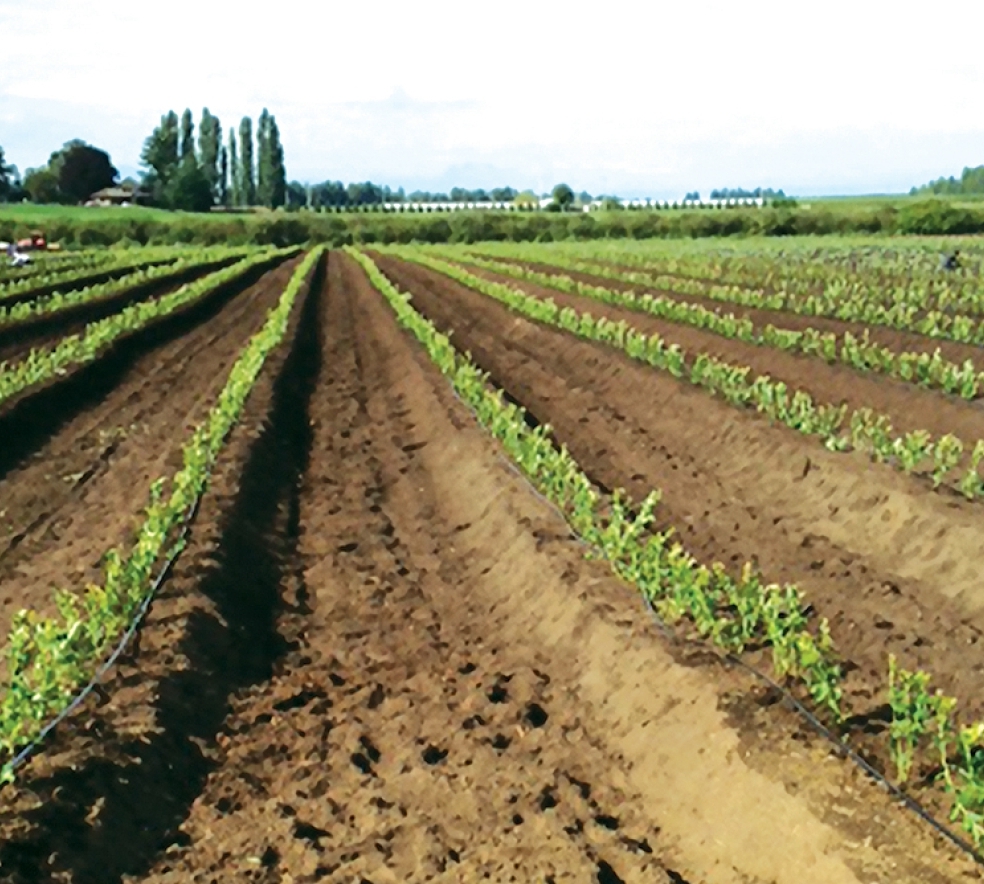
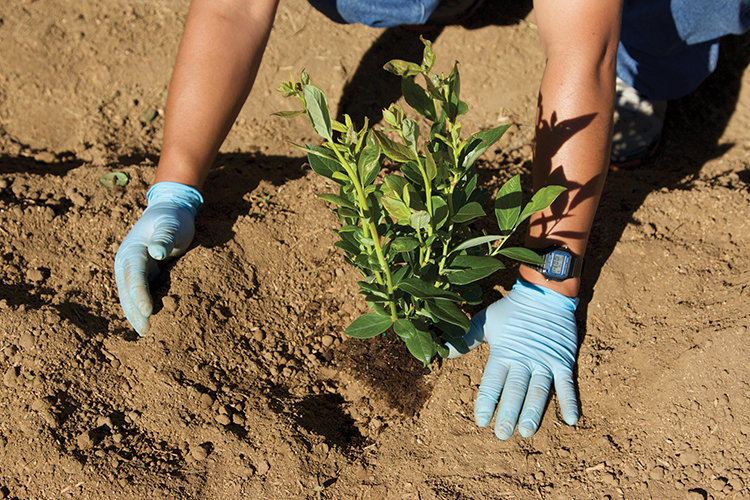
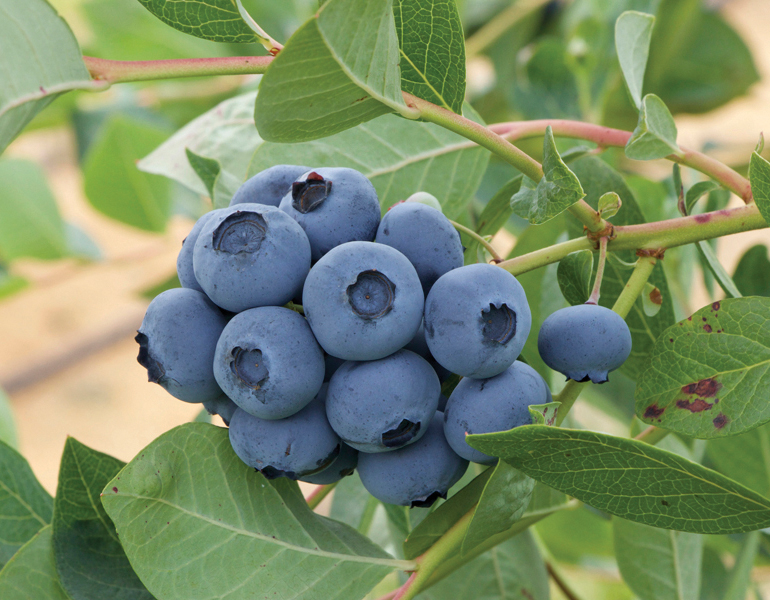
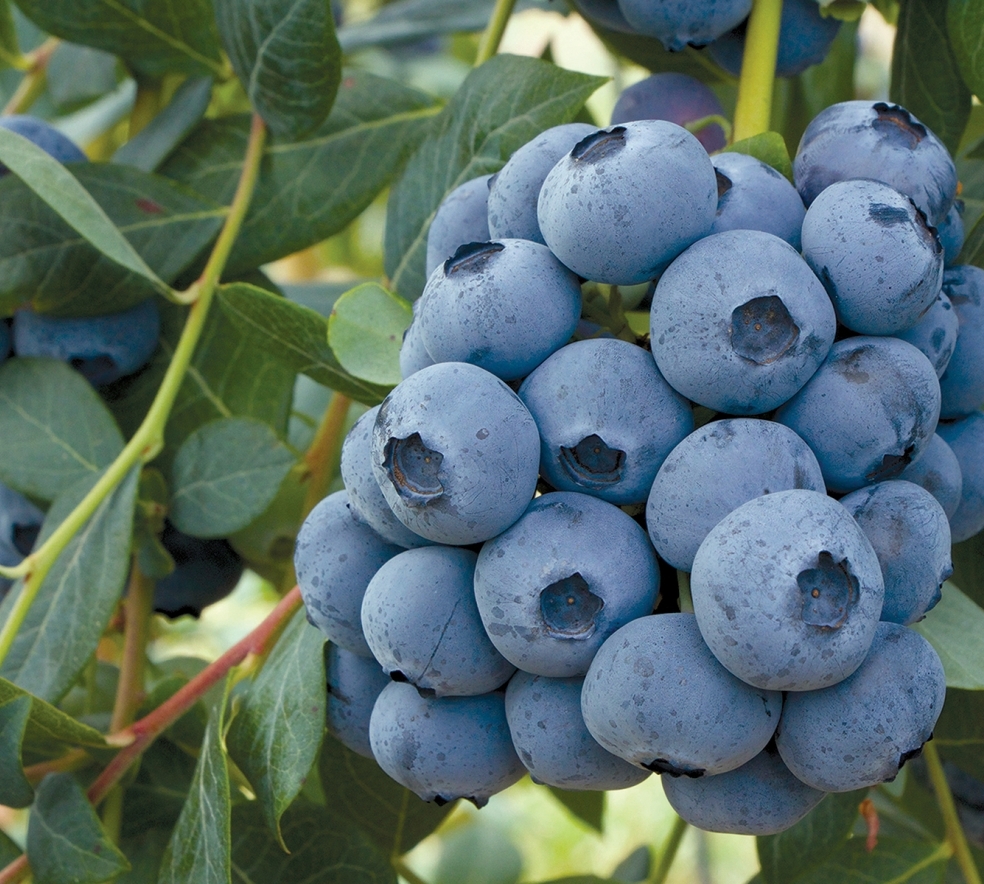
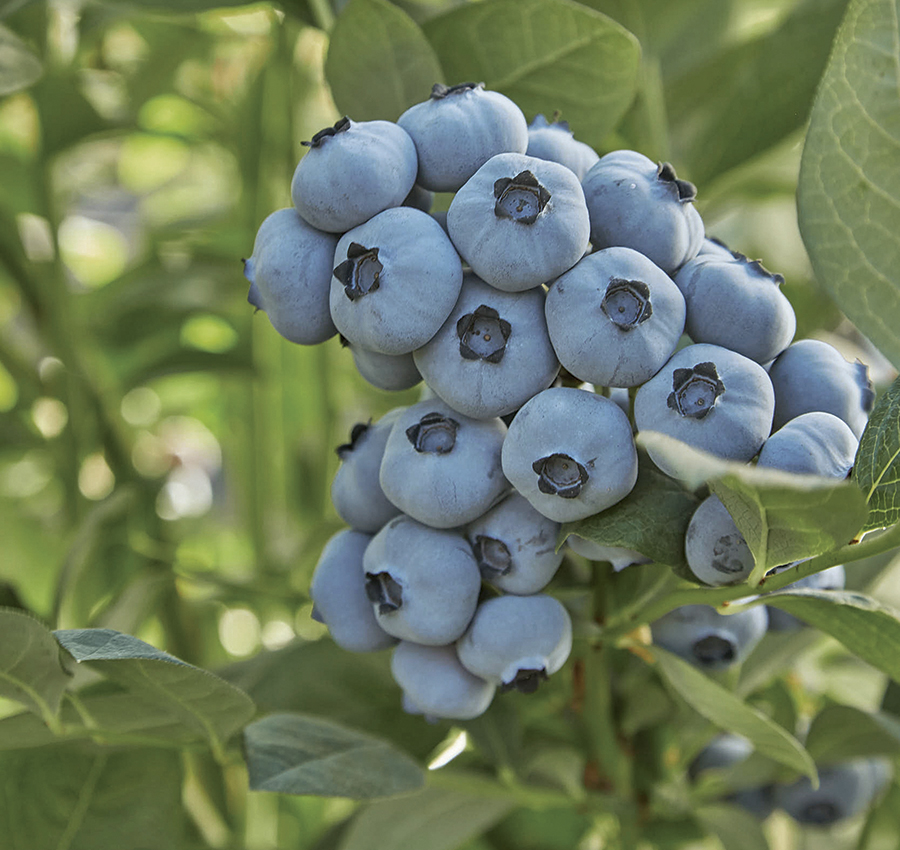
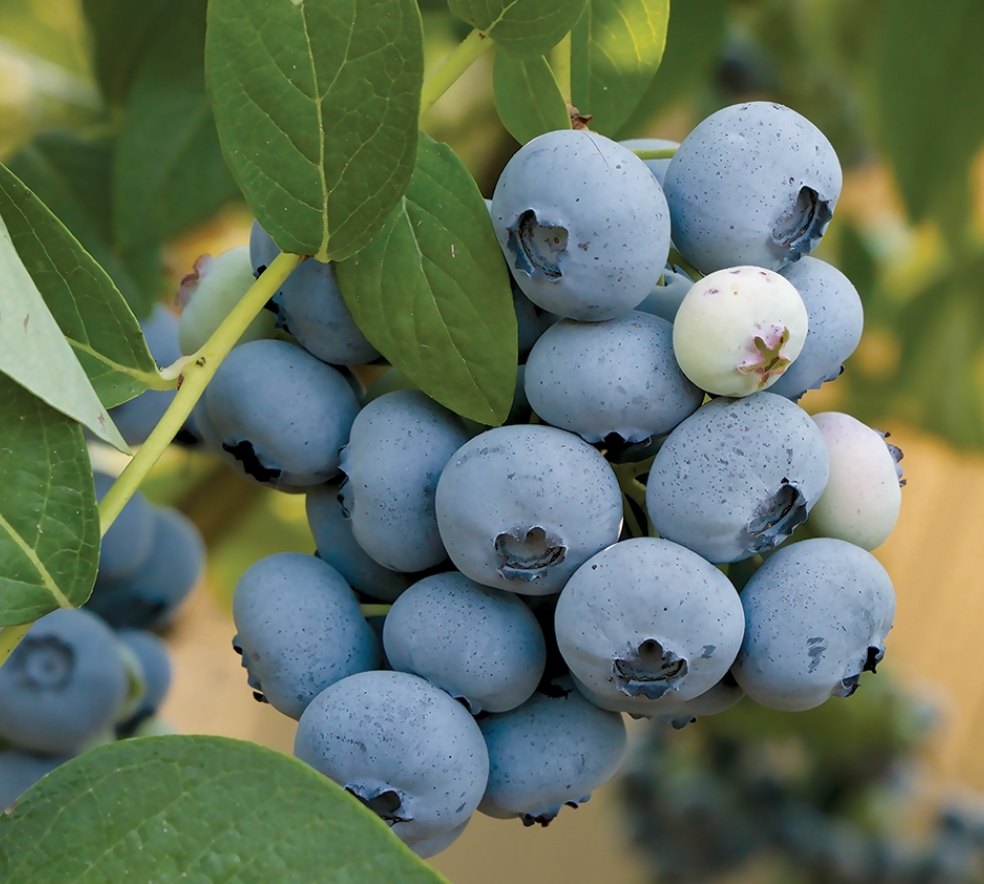
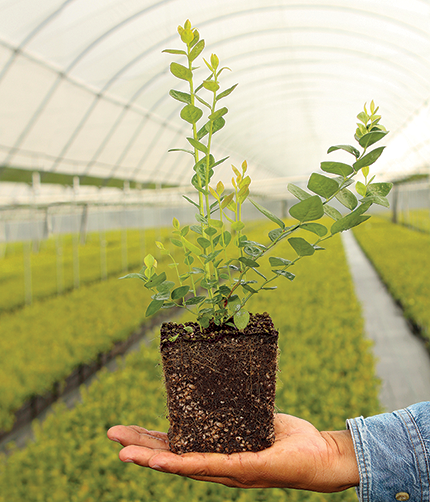
Listed below are the common uses and some varieties which are most suited for that use. Please remember that your success depends on proper planting and cultural care. Grouping By SizeBlueberries can vary in size when mature from low ground covers up to large bushes. The wild Lowbush selection Vaccinium angustifolium forms a ground cover up to 6’ wide and 12’ tall. The Half-high blueberries Northsky, Northblue, and Northcountry are quite compact and spreading, ranging from 1½’ to 3’ tall. Other compact varieties grow a bit taller, reaching 3-4’ in height and width. Most Highbush blueberries grow to 4-6’ in the garden, while taller more vigorous varieties can grow to 6’ in a home garden but will get larger in an optimal site with regular pruning on non-vigorous wood. Please note — the ultimate sizes your plants will obtain are dependent on many factors, including soil type, climate, cultural care, pruning, etc. Hedges and Border PlantingsBlueberries make excellent hedges if planted correctly and the right varieties are used. To form solid hedges or screens, place plants 2½ to 3’ apart. If uniform shape and texture is desired use the same variety in the row. Most Highbush varieties are self-pollinating and do not require another variety to set fruit. For tall hedges use the faster growing, upright varieties such as Jersey, Bluejay or Sierra. If a shorter hedge is desired, use the compact varieties and plant 2½’ apart. Bluetta is especially attractive when used in this way. Northblue and Patriot also work well. For border plantings along walks or skirting a planting bed, choose Northsky or Northcountry. Northcountry will spread wider than Northsky, eventually reaching 3’ wide. Use these where dwarf rhododendrons or compact evergreen azaleas are planted.
|
||
| Home | Commercial | Nursery | Gardener | About | International | Links | Contact | Site Map | ||
| © 2007 Fall Creek Farm & Nursery Inc.™ All Rights Reserved | ||